

Library
The most useful tools, reports, guidance and research related to cash and voucher assistance in humanitarian response.

Glossary of Terms
The CALP Network's annually updated list of terms and definitions used in cash and voucher assistance, designed to facilitate a common understanding and harmonized use.
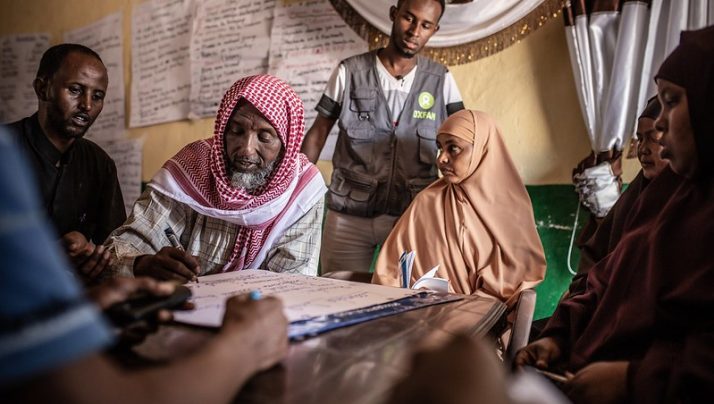
Submit your content
You can use our website to share jobs, blogs, publications or events with other people working on cash and voucher assistance

Programme Quality Toolbox
A curated set of common standards and actions to support the design and delivery of quality cash and voucher assistance throughout the programme cycle.
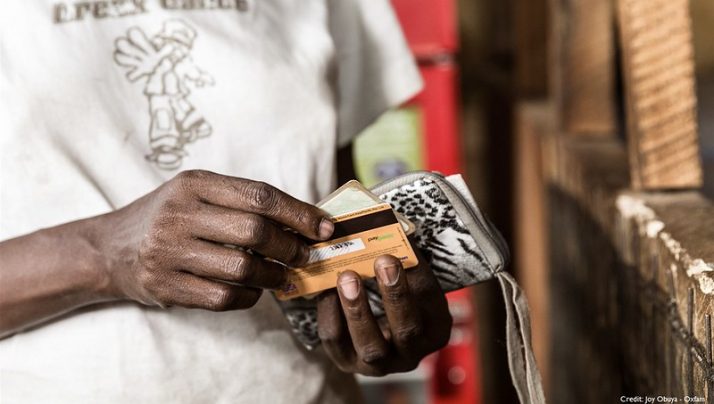
Upcoming training and events

Advocating for Cash and Voucher Assistance with Governments
Members event
Join the Cash Hub for our latest webinar: 'Advocating for Cash and Voucher Assistance with Governments'.
Monday 13th May 2024 at 14:00 CET (60mins, online)
Discover how advocacy and collaboration with governments are vital for leveraging Cash and Voucher Assistance (CVA) in humanitarian responses, with high-level speakers joining the panel from the IFRC, Turkish Red Crescent Society and...

Virtual Workshop : Last Mile Payments & Aid Distribution in the DRC
Members event
Crown Agents Bank in partnership with Paycode will be running an insightful virtual workshop on Last Mile Payments & Aid Distribution in Democratic Republic of Congo (DRC) on 16th May 2024. The workshop aims to provide practical assistance to field officers and regional staff involved in implementing programs with a last mile payment and aid delivery component.
Attendees will be able to...
CALP TAG (Technical Advisory Group) Meeting
Members event
The TAG helps shape and steer the CALP Network’s technical and policy priorities within the overall strategic vision for the network. All TAG Representatives are from CALP member organizations or are independent members of CALP. The TAG meets quarterly to: Review and provide feedback on key technical and policy products. Help define thematic priorities for the network, including defining...
Regional Cash Working Group – WCAF
Event
This is a Save the Date for the next Regional Cash Working Group meeting that will take place on Wednesday May 22nd, from 12pm to 2pm (GMT) face to face and online.
The meeting will have simultaneous interpretation in English and French.
The draft agenda for this meeting will be:
National CWGs round table (45 minutes).
Community approaches to emergency response through the Group Cash...

Global Cash Working Group – May meeting
Members event
You are invited to the next meeting of the Global CWG on Thursday, 23 May, from 1 - 230 pm UTC (9 am EST, 2 pm BST, 3 pm CEST, 4 pm EAT).
Please find the tentative agenda below and feel free to email to suggest additional agenda items:
1. Refreshing the Global CWG TOR
2. Update from the global Cash Advisory Group
3. Presentation and discussion of The Choice Model: User-Centred CVA...
Core CVA Skills for Programme Staff Training: St. Lucia
Training
Catholic Relief Services (CRS) EMPOWER (Empowering Partner Organization Working in Emergency Responses) project, Caritas Antilles, and the CALP Network are five days of in-person training for professionals based in the Eastern and Southern Caribbean. Objectives Understand how key norms, standards, and guidelines guide CVA. Understand how CVA should be integrated into the role of different...